
Charleston Interior Photography: What Designers Should Know Before a Photoshoot
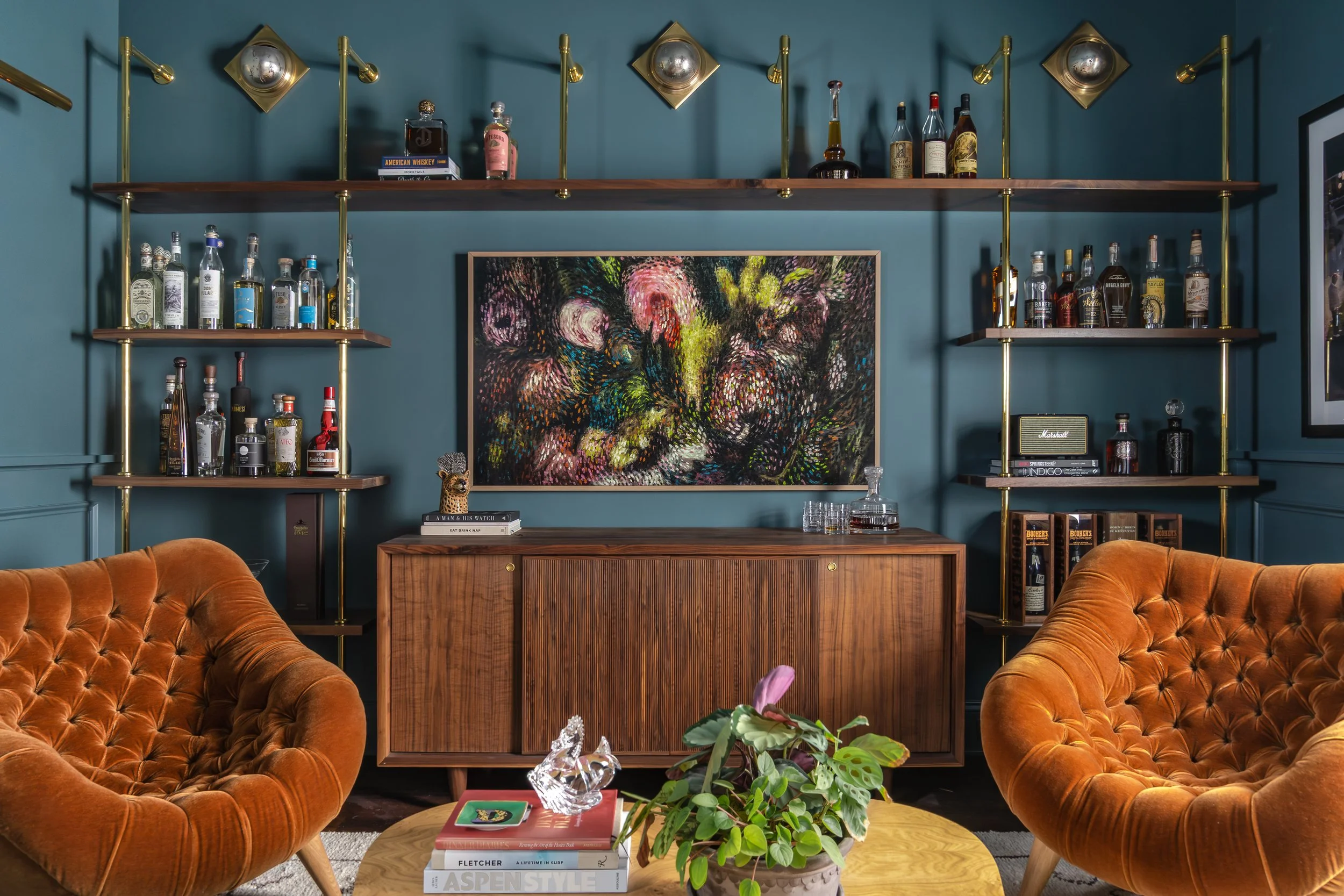
Design by Todd Christian Construction, Photo by Golden Photos CHS
A beautifully finished interior deserves more than a quick set of documentation photos.
For interior designers, builders, architects, and creative teams, professional photography is often the final step in bringing a project to life. The right images can become part of your portfolio, website, social media, client presentations, press submissions, and publication pitches for years to come.
But getting magazine-ready interior photography is about more than showing up with a camera.
The way a space is styled, the timing of the shoot, the shot list, the lighting, and even the small details throughout a room can all change the final images.
As a Charleston interior photographer, I work with designers and creative teams throughout Charleston and the Lowcountry to create intentional, editorial photographs that show both the overall space and the details that make a project feel like yours.
Here are a few things to consider before your next interior photography session.
When should you schedule an interior photography session?
Ideally, your project should be completely finished before your photographer arrives.
That sounds obvious, but “finished” for photography can be a little different from “finished” for the client.
For an interior photography shoot, think beyond construction and installation. Art should be hung, accessories should be in place, furniture should be positioned, window treatments should be finished, and any styling details you want photographed should be ready.
If you are working with a stylist, it is also worth allowing enough time for the space to be thoughtfully styled before photography begins.
This is especially important if you are hoping to submit the project to an interior design publication. Editorial photography needs to tell a cohesive visual story, and having the entire project ready allows your photographer to photograph the home as a complete body of work rather than simply documenting individual rooms.
For Charleston interior photography, I also recommend considering the season and surrounding landscape. If the exterior of a project is important to the story, landscaping, weather, and natural light can all affect the final gallery.
What should be finished before the photographer arrives?
Before an interior photographer arrives, walk through the project as though you are seeing it for the first time.
Look for anything that might distract from the design:
Temporary furniture or accessories
Boxes, packaging, and installation materials
Visible cords and unnecessary electronics
Items that need to be styled or repositioned
Unfinished artwork or accessories
Personal items that were left behind
Dust or construction debris
Furniture that needs to be adjusted
Window treatments that need to be installed or steamed
Small details that still need attention
This doesn't mean every surface needs to be completely empty.
In fact, quite the opposite.
Good interior photography often depends on thoughtful layering. Books, objects, flowers, textiles, artwork, and smaller decorative elements help create a sense of personality and scale.
The goal is not to make a home look sterile. It is to make the styling feel intentional.
Do you need a stylist for interior photography?
Not every project needs a professional stylist, but thoughtful styling is one of the biggest factors in creating editorial interior photographs.
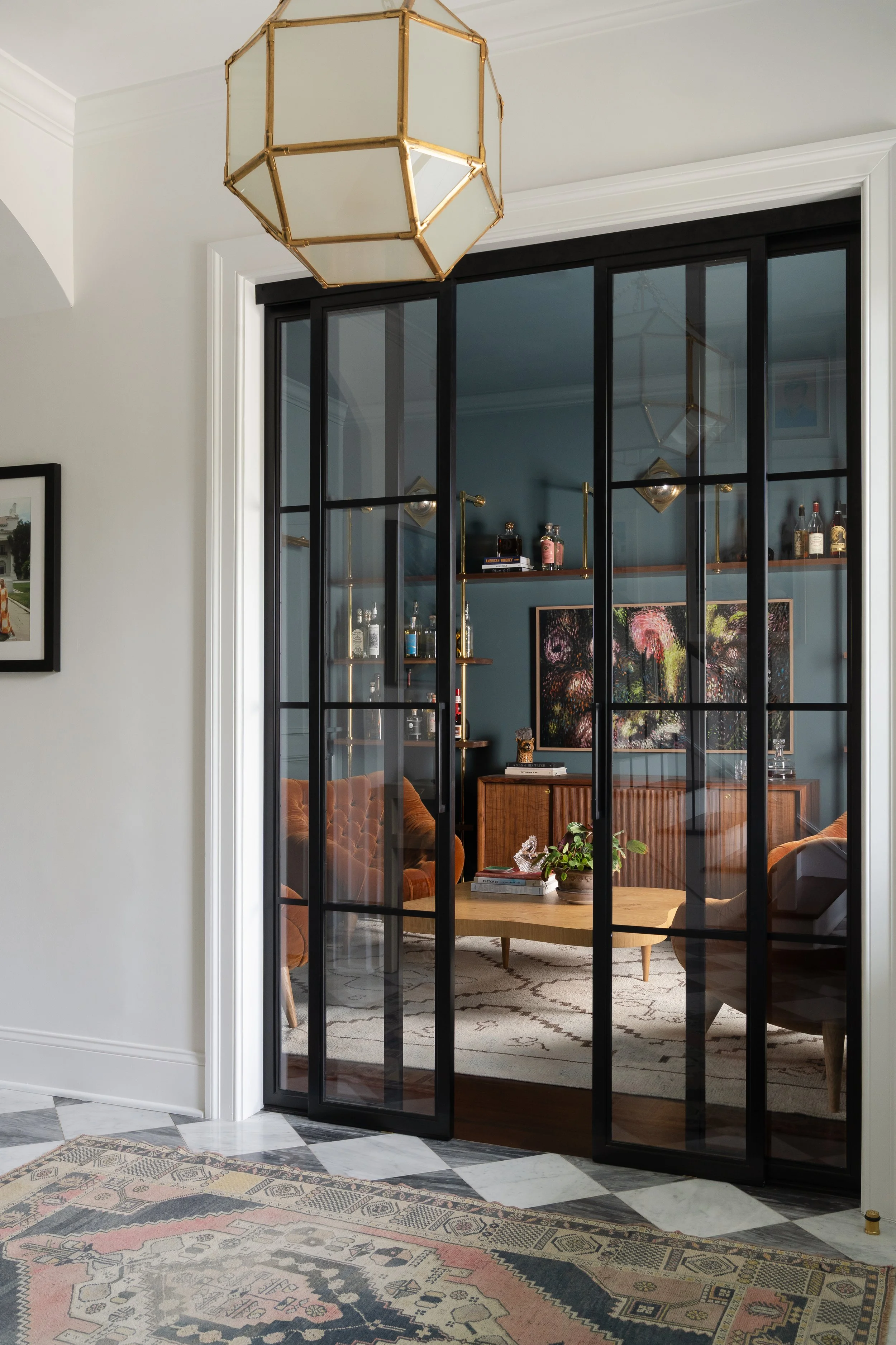
A stylist can help refine the smaller details that may not be obvious when you are looking at the room in person. They can adjust accessories, create layers, bring in florals or greenery, edit objects, and make sure the room photographs beautifully from multiple angles.
As a photographer, I can also provide guidance on what I think will photograph well and make styling recommendations before and during the shoot.
For larger or publication-focused projects, bringing in a stylist can be especially valuable.
The goal isn't to change your design. It's to make sure the camera captures the design at its best.
Create a shot list before your Charleston interior photography session
A shot list gives everyone a shared understanding of what needs to be photographed.
For a typical interior design project, your list might include:
Full-room photographs
Alternate room perspectives
Architectural details
Millwork and cabinetry
Lighting
Hardware
Tile and stone
Custom furniture
Textiles
Styling details
Exterior architecture
Outdoor living spaces
Vertical images for social media
The shot list doesn't need to dictate every photograph.
In fact, some of the best images often happen when the photographer sees something unexpected while working through the space.
Instead, think of the shot list as a framework. It makes sure the important spaces and details are covered while leaving room for creative opportunities.
How many photographs should you plan for?
There isn't one perfect number of photographs for every interior design project.
A smaller project may only need a handful of carefully selected images. A larger home might require dozens of photographs across multiple rooms, architectural details, and exterior spaces.
The right number depends on the size of the project, how many spaces you want photographed, and how extensively you want to document the design.
I prefer to approach interior photography with intention rather than creating hundreds of nearly identical frames.
Every final image should have a purpose.
Some photographs establish the overall architecture of a room. Others highlight a custom detail, a material, a lighting fixture, or a styling moment.
Together, those images create a visual story of the project.
What makes professional interior photography different from a documentation shoot?
There is a difference between photographing a room and creating an image of a room.
Professional interior photography considers composition, perspective, styling, color, light, balance, and the way the viewer's eye moves through the photograph.
For design professionals, this matters because your photography is often the first way a potential client experiences your work.
A strong image should communicate more than the fact that a beautiful room exists.
It should show the thought behind the design.
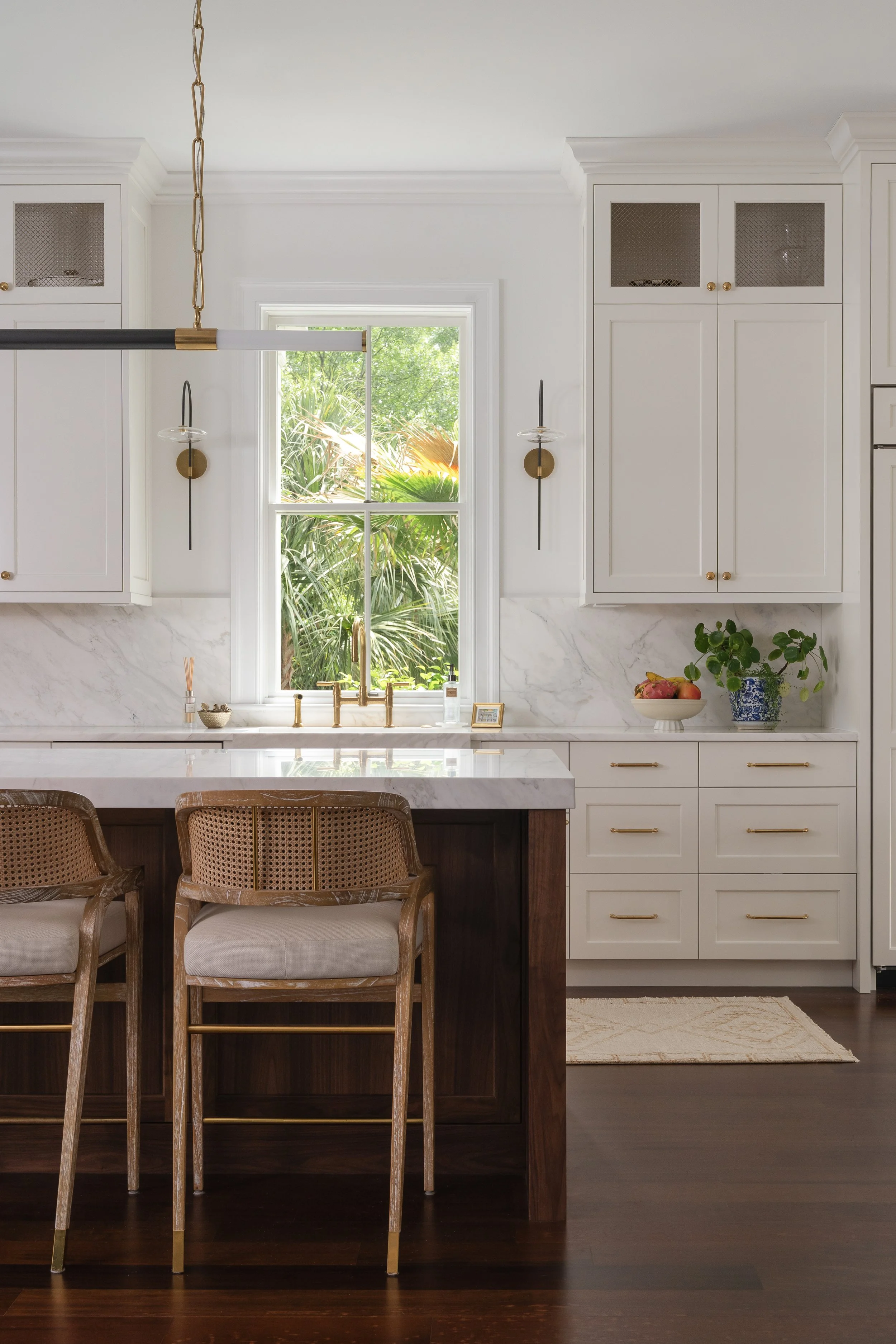
That might mean photographing the relationship between a custom cabinet and a stone surface, capturing the way light moves across a room, or creating a tighter composition around a collection of materials and objects.
The result should feel polished without feeling disconnected from the actual space.
Why lighting matters in interior photography
Lighting can completely change the feeling of an interior photograph.
Natural light is important, but it isn't always enough to create a balanced image. Windows can be significantly brighter than the interior of a room, while darker corners can lose detail.
Professional interior photography uses light intentionally to create balance while preserving the natural character of the space.
The goal isn't to make a room look artificially lit.
It's to create an image where the architecture, finishes, furnishings, and details can all be seen clearly and beautifully.
This is particularly important in Charleston homes, where the quality and direction of natural light can change dramatically throughout the day.
Don't forget the details
Full-room photographs are essential, but details are what help tell the story of a project.
A close-up of a beautiful stone installation, custom millwork, hardware, lighting, upholstery, or carefully styled vignette can communicate the level of craftsmanship behind the project.
These photographs are also incredibly useful beyond your website.
Detail images can work beautifully for:
Instagram and social media
Pinterest
Design presentations
Blog posts
Publication submissions
Press features
Awards submissions
Brand marketing
Client proposals
When planning an interior photography session, I like to think about both the hero images and the supporting details.
You want the photographs to work together as a collection.
Think about vertical images, too
Your website may rely heavily on horizontal photographs, but your social media feeds don't.
When planning your interior photography session, consider where you will actually use the images afterward.
Vertical compositions can be particularly useful for Instagram, Pinterest, Stories, and other mobile-first platforms.
That doesn't mean every photograph needs to be vertical.
It simply means your photographer should understand how the final images will be used and intentionally create a mix of compositions when appropriate.
If you hope to be published, plan for that from the beginning
If your goal is eventually to submit a project to a design publication, it is worth thinking about publication requirements before the photography session.
A publication-ready project generally needs more than a few beautiful photographs of the living room.
You may need a cohesive collection that includes the architecture, major living spaces, bedrooms, kitchens, bathrooms, outdoor areas, and meaningful details throughout the home.
Your photographer should understand that distinction.
Editorial interior photography is about creating a body of work that allows an editor to understand the entire project and the story behind the design.
It is much easier to photograph with publication in mind from the beginning than to realize afterward that important spaces or details were never captured.
What should you look for in a Charleston interior photographer?
When choosing an interior photographer, look beyond whether you simply like their portfolio.
Look for someone whose approach fits the way you want your work represented.
Consider:
Do they photograph the way your work actually looks?
Look for consistency in color, perspective, lighting, and styling.
Do they understand design?
An interior photographer should be able to recognize the details worth highlighting, not just photograph whatever is directly in front of them.
Can they create both wide and detail photographs?
A strong gallery should give you a complete visual story rather than a collection of similar room shots.
Do they understand editorial photography?
If publication is one of your goals, experience with editorial imagery can make a meaningful difference.
Will they collaborate with you?
The best interior photography sessions feel collaborative. You know the design intimately. Your photographer brings a fresh perspective and visual expertise.
Preparing for your Charleston interior photography session
The easiest way to get beautiful interior photographs is to give the photography enough time and attention.
Finish the project.
Edit and style the rooms.
Think about the story you want the images to tell.
Create a list of the spaces and details that matter most.
And choose a photographer who understands that your work deserves to be photographed as thoughtfully as it was designed.
For designers throughout Charleston, Mount Pleasant, Daniel Island, Kiawah Island, and the surrounding Lowcountry, professional interior photography can become one of the most valuable marketing assets you have.
Your finished project is the result of months, sometimes years, of decisions.
The photography should reflect that.
Looking for a Charleston interior photographer?
Golden Photos creates editorial interior and architectural photography for interior designers, builders, architects, and creative teams throughout Charleston and the Lowcountry.
The focus is simple: intentional compositions, beautiful light, true-to-life color, and photographs that make your work feel as considered on screen as it does in person.
