
Why Your iPhone Photos Are Costing You Dream Clients
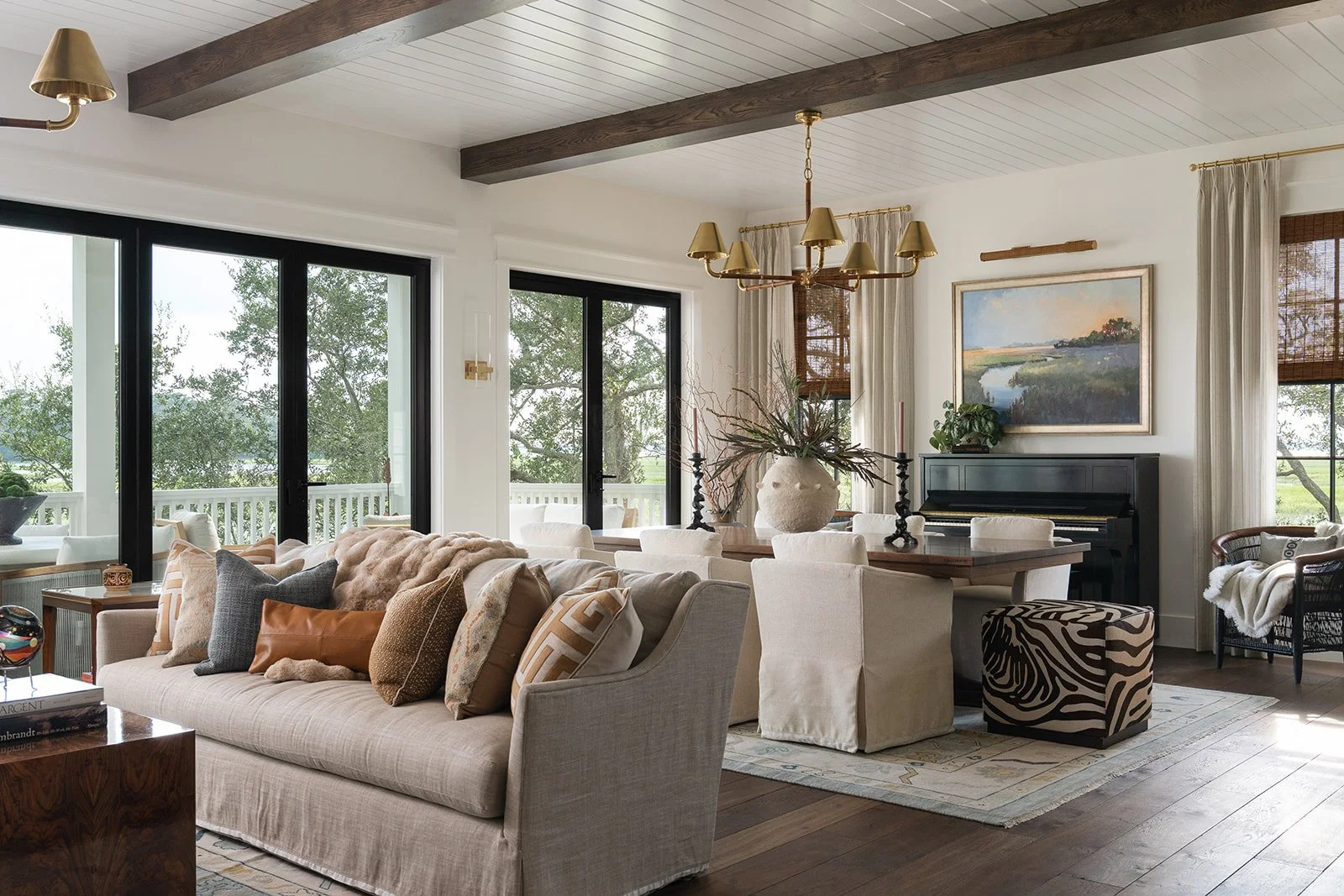
Interior Design by Dana Bacher Design, Photo by Golden Photos CHS
You've put everything into your work. The layers, the lighting, the carefully sourced pieces that make a room feel like it was always meant to look that way. Your clients are happy. The spaces are beautiful.
So why isn't your portfolio attracting the caliber of clients you're ready for?
For a lot of interior designers, the answer is hiding in plain sight — and it has nothing to do with your talent.
FIRST IMPRESSIONS HAPPEN ONLINE NOW
Before a potential client ever sends you an inquiry, they've already visited your website. They've scrolled your Instagram. They've formed an opinion.
In a matter of seconds, they've decided whether your work feels like them — or not.
That split-second judgment isn't just about your aesthetic. It's about the quality of what they're seeing. And if your portfolio is full of iPhone snapshots — even good ones — you may be losing clients before the conversation ever starts.
The hard truth: your photography is doing the talking before you get a chance to.
WHAT UNDERLIT, UNLEVEL PHOTOS ACTUALLY COMMUNICATE
It's not just that iPhone photos look "less professional." It's what they signal beneath the surface.
For an interior designer, every detail is intentional. The trim color, the hardware finish, the way the light hits a linen throw at 4pm. You obsess over these things — because you know they matter.
When your portfolio photos are dark, distorted, or shot on the fly, they quietly contradict everything your work stands for. They say: the details didn't quite make it here.
Potential clients — especially higher-end ones — pick up on this. They may not be able to articulate why they kept scrolling. But they did.
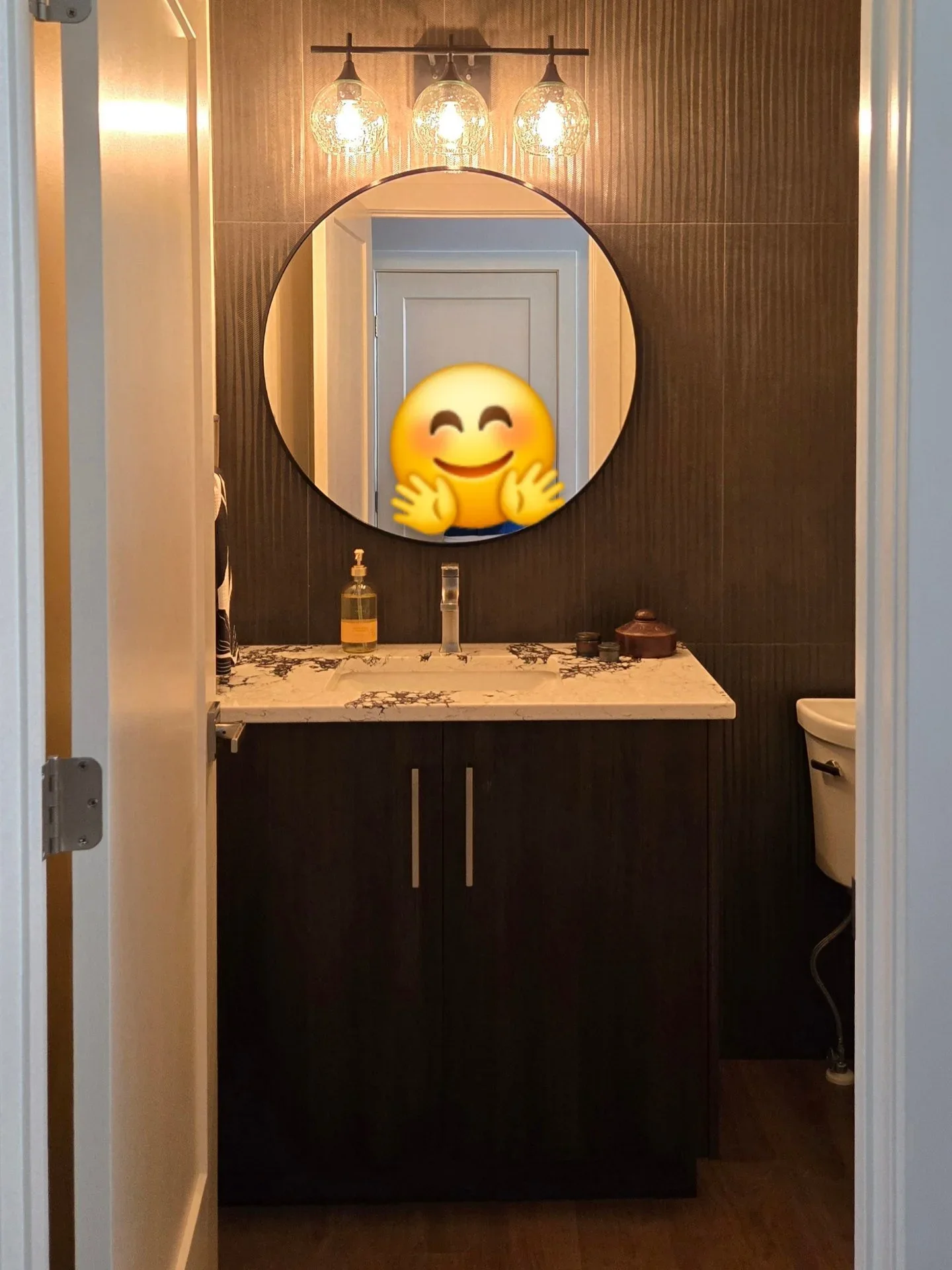
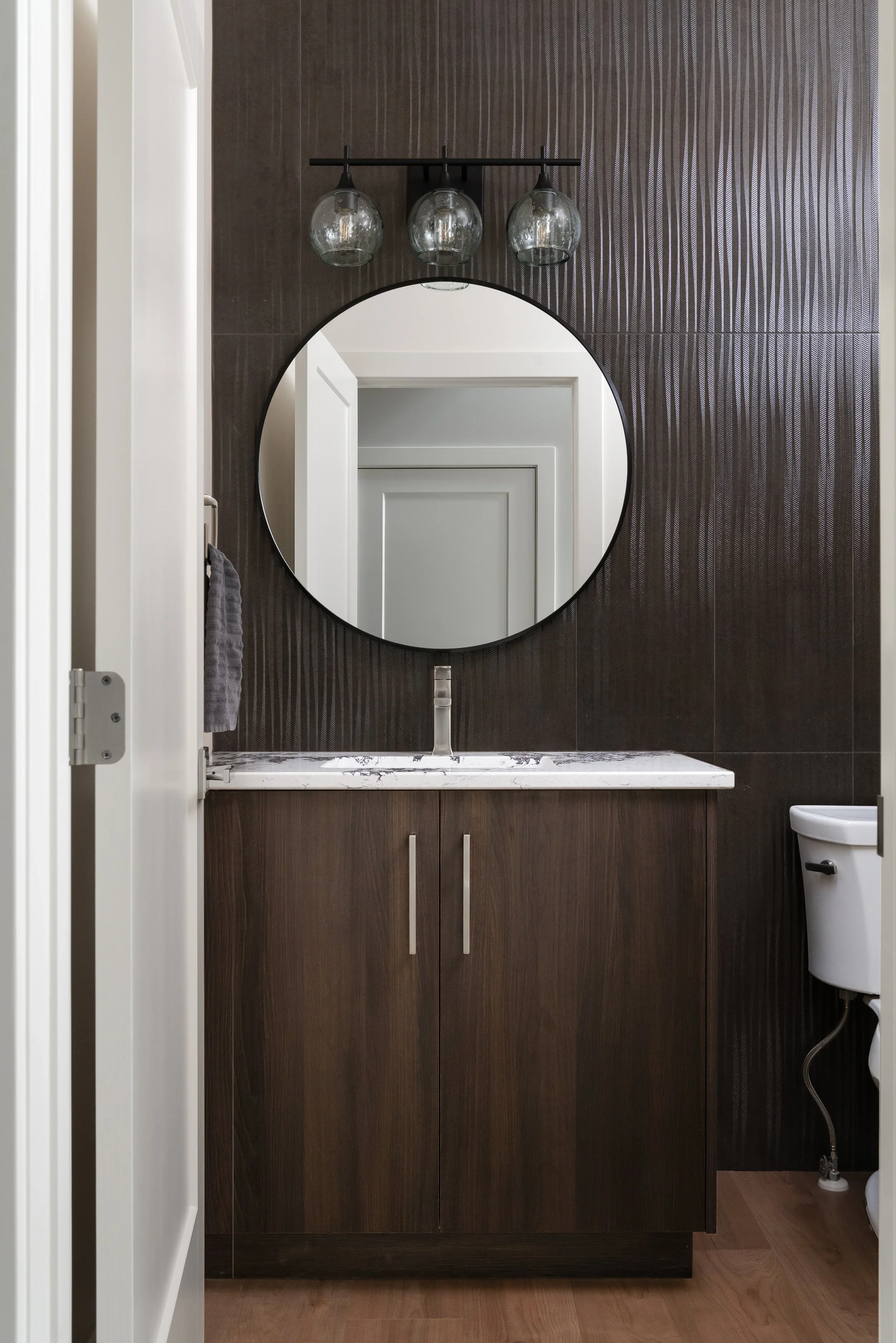
A direct comparison of an Iphone pic (left) versus the final image (right)
WHAT PROFESSIONAL PHOTOGRAPHY ACTUALLY DOES FOR YOUR BUSINESS
This is where it gets exciting — because great photography doesn't just document your work. It works for you.
It opens the door to publications. Design editors at magazines like Veranda, Luxe Interiors + Design, and Southern Living receive hundreds of submissions. The ones that make it to print are almost always shot by professional architectural photographers. If getting published is on your radar — and it should be — your photography is the first filter.
It attracts higher-end clients. The clients you want are already living in a world of beautiful imagery. They follow design accounts, read shelter magazines, save inspiration to their Pinterest boards. When your portfolio matches that visual language, you speak directly to them.
It gives your social media actual power. A single well-shot image can perform for months. It gets saved, shared, and found by people who have never heard of you — in Charleston, in Savannah, in Hilton Head, wherever your next dream project might be.
It builds trust before you've said a word. When someone lands on your website and sees magazine-quality images, the question shifts from "can I afford this designer?" to "how do I get on their calendar?"
THE IPHONE ISN'T THE PROBLEM — TIMING IS
Let's be clear: your iPhone is a powerful tool. It's perfect for behind-the-scenes content, progress shots, and candid moments that make your brand feel human and real.
But there's a difference between content and portfolio.
Content is disposable — it's meant to be consumed in the moment and move on. Portfolio work is permanent. It's what someone sees at 11pm when they're deciding whether to reach out to you. It's what an editor looks at when considering your submission. It's what stays on your website for years.
The designers who consistently land dream clients — and dream projects — treat their portfolio photography as an investment, not an afterthought.
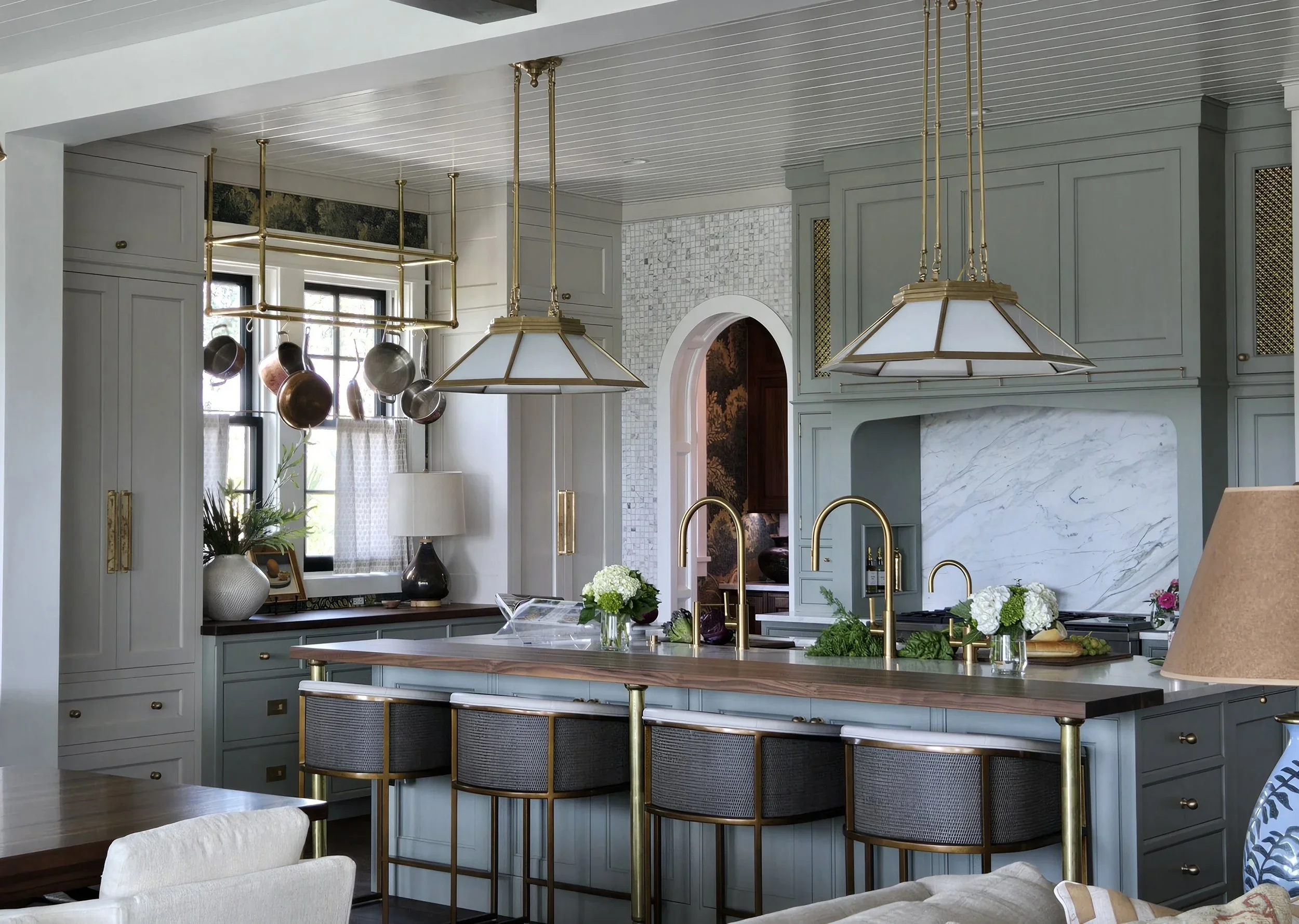
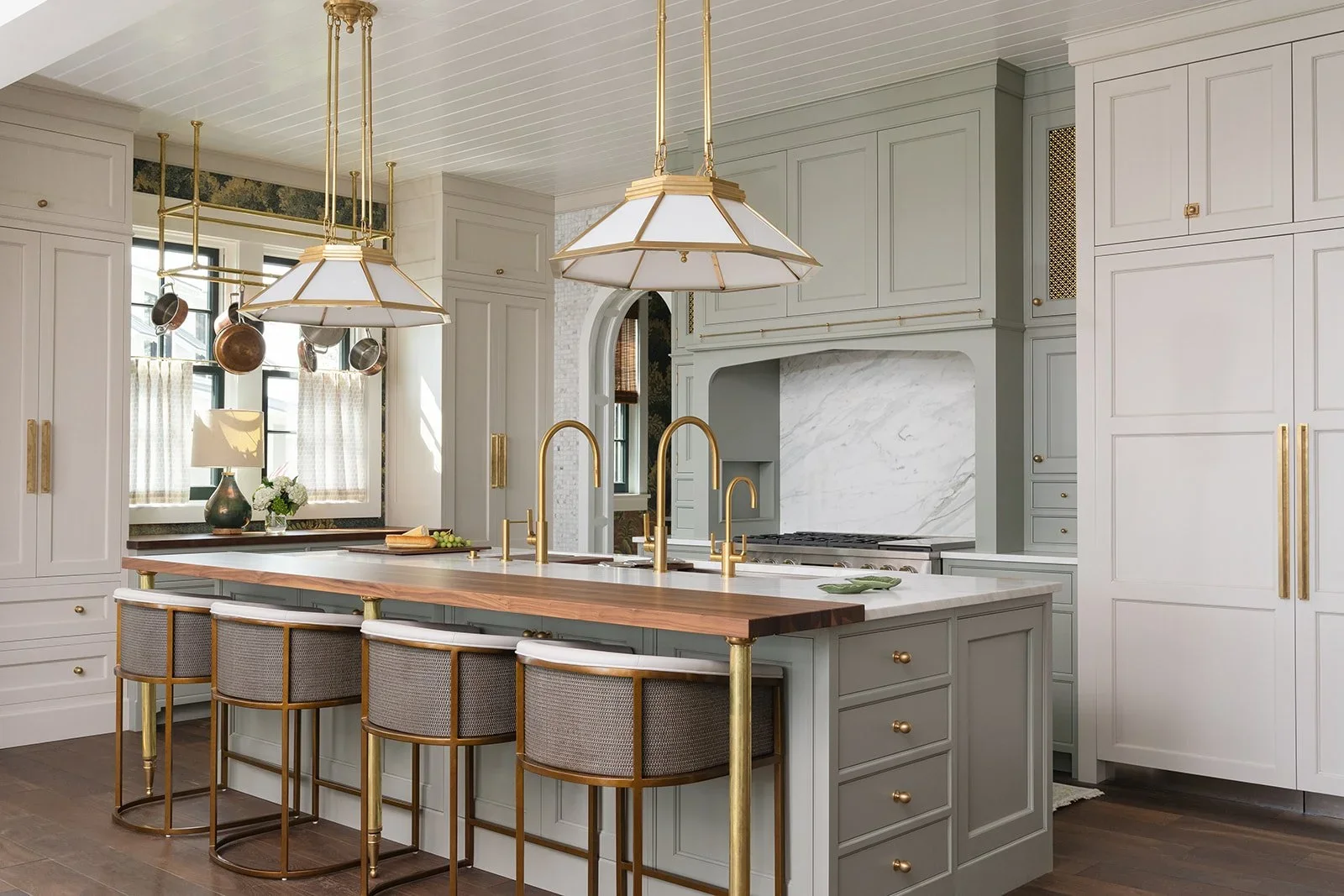
A direct comparison of an Iphone pic (left) versus the final image (right)
WHAT TO LOOK FOR IN AN INTERIOR PHOTOGRAPHER
Not all photographers are created equal — and interior photography is genuinely its own craft. Here's what matters:
Specialization. Look for someone who shoots interiors specifically, not a generalist who also does weddings and headshots. The lighting, the lens choices, the understanding of how a room reads on camera — these take years to develop.
An editorial eye. Your photographer should understand how spaces are styled for publication, not just documentation. There's a difference between a photo that says "this room exists" and one that says "this room belongs in a magazine."
A collaborative process. The best interior photography happens when photographer and designer are aligned on the story they're telling. Look for someone who wants to understand your work — not just show up and shoot.
A portfolio that makes you feel something. Trust your gut. If their work stops you mid-scroll, that's the feeling you want your clients to have about yours.
YOUR WORK IS READY. IS YOUR PORTFOLIO?
If you've been doing the work — building the spaces, refining your aesthetic, growing your design voice — your portfolio should be keeping pace.
The designers getting published, getting referrals, and attracting clients who trust their vision? They're not necessarily more talented than you. They just made sure their photography was telling the right story.
If your spaces are ready for their close-up, let's talk.
---
Golden Photos CHS is a Charleston-based interior and architectural photography studio serving designers, builders, and architects across South Carolina and Georgia. Available for projects in Charleston, Hilton Head, Savannah, and beyond.
